Vehicle · Oct 28, 2026 · 3 min read · iomi
Repair the Car You Have or Start a Replacement Fund?
Compare the next year of each option—not one repair bill against a tempting monthly payment.
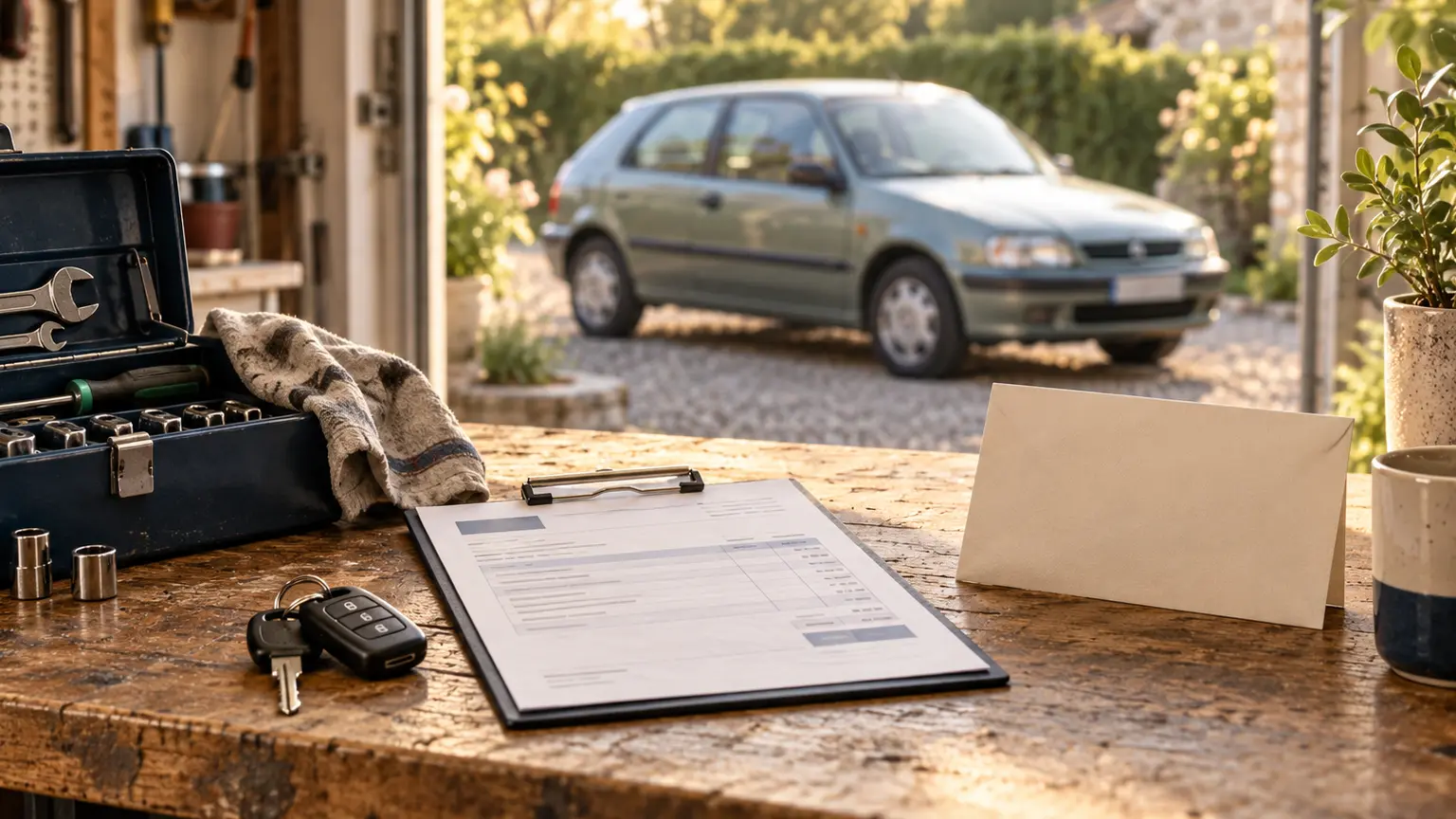
A repair bill is not automatically evidence that your car should be replaced. The right comparison is the expected cost and reliability of keeping it—not the repair amount versus zero.
A replacement car brings its own costs: purchase price, taxes, registration, financing, different insurance and the possibility of repairs you cannot yet predict. Slow the decision down enough to compare both paths.
Separate the current repair from the car’s pattern
Ask a trusted mechanic for a written diagnosis and whether the repair affects safety, drivability or merely comfort. Then request a view of likely maintenance over the next year. One $1,200 repair on an otherwise dependable car is different from repeated breakdowns with no stable end.
Consider:
- the car’s current value and condition;
- repair and maintenance spending over the last 12–24 months;
- whether failures are making work or family transportation unreliable;
- any safety problems or severe rust;
- how long the repair is reasonably expected to extend useful service.
Get a second opinion for a large or unclear repair.
Compare annual cost, not just monthly payment
Estimate the next 12 months for each option. “Keep” includes the current repair, expected maintenance, insurance and registration. “Replace” includes the down payment, loan payments or cash cost, taxes and fees, insurance change and an initial maintenance cushion.
A newer car may still be the better choice, especially when reliability is essential. But a monthly payment can make the alternative look cheaper by hiding how many months you will make it.
If financing, compare the annual percentage rate, term, amount financed and total of payments—not only the advertised payment. CFPB guidance emphasizes that a larger down payment can reduce the amount financed and total interest, while a longer term can lower the monthly bill but raise total cost.
Start the replacement fund before the verdict
You do not need certainty to begin saving. Create a replacement IOU now and make a monthly payment roughly aligned with what your budget can sustain. If you keep the current car for another year, you gain a larger down payment. If a major failure settles the question sooner, you have options.
Keep emergency money separate. A car fund is for an expected future replacement; emergency savings is for disruptions you did not schedule.
Choose based on function
The question is not whether the old car “deserves” another repair or whether you deserve a newer one. It is which route provides dependable transportation at a cost your wider plan can carry. Facts from a mechanic, a complete cost comparison and cash saved in advance make that decision far less frantic.
Sources
---
*This article provides general educational information, not individualized financial, credit, tax, legal, insurance or automotive advice. Obtain a qualified mechanical assessment and compare current financing terms before deciding. iomi does not hold or move your money.*