Vehicle · Oct 7, 2026 · 3 min read · iomi
How Much Should You Put Down on Your Next Car?
Use enough cash to improve the loan without leaving yourself unable to own and operate the car safely.
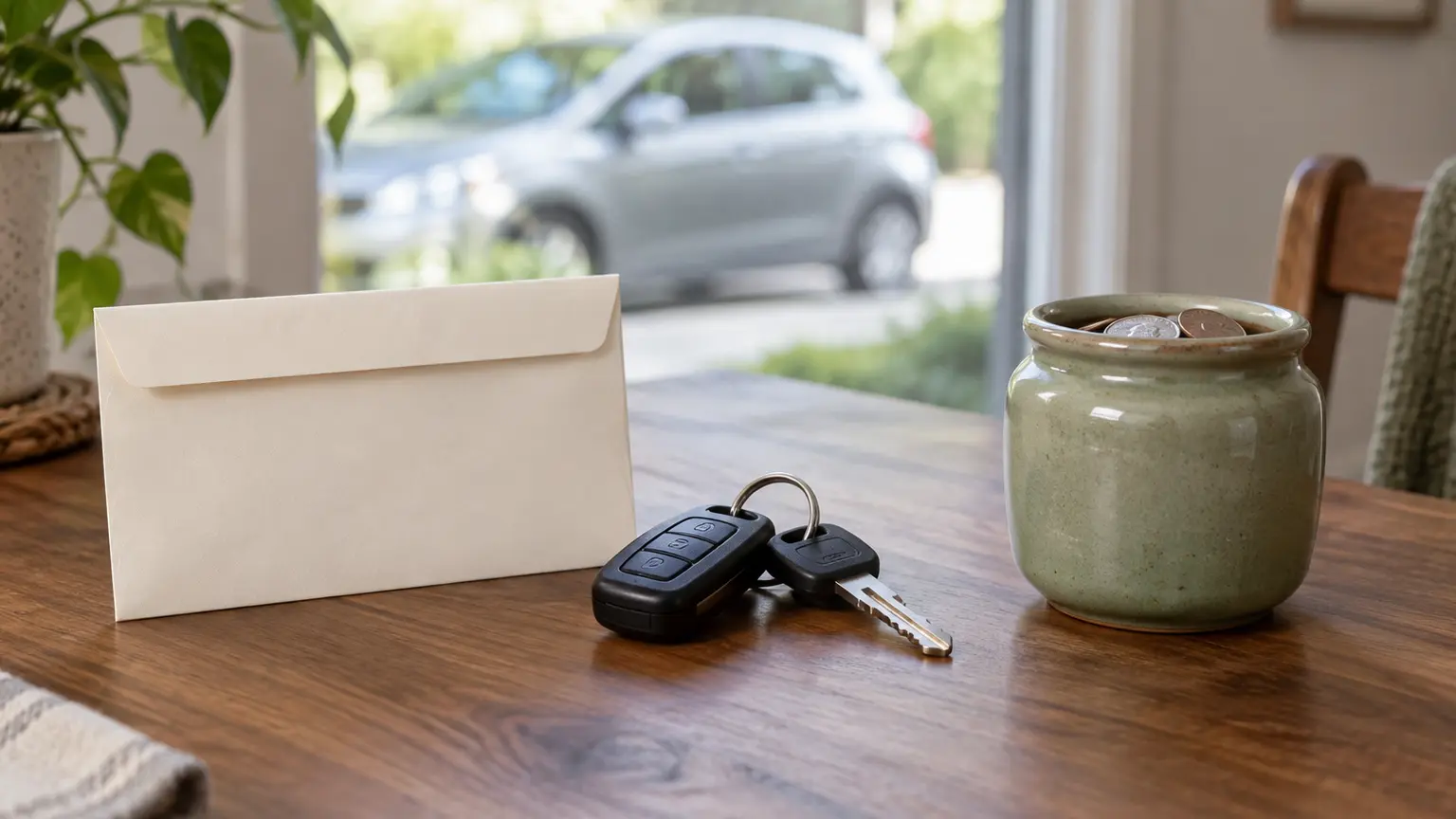
A larger car down payment reduces the amount you borrow, but the best down payment is not automatically every dollar you have. It should improve the loan without leaving you unable to handle insurance, registration, repairs or an unrelated emergency.
What the down payment changes
The CFPB notes that a down payment can be cash, net trade-in value or both. More money down generally means a smaller loan and may reduce the monthly payment, total financing cost and loan-to-value ratio.
It can also reduce the chance that you owe more than the vehicle is worth. That matters if the car is totaled or you need to sell earlier than planned.
Begin with the out-the-door price
Ask for the vehicle’s complete price before financing: negotiated price, taxes, title, registration, documentation charges and chosen add-ons. Then subtract confirmed trade-in equity and your proposed cash down payment.
Do not let a dealer define the decision only by the resulting monthly payment. Compare APR, term, finance charge and total of payments.
Protect the cash needed immediately after purchase
Before increasing the down payment, reserve money for:
- insurance premium and deductible;
- registration or taxes not already included;
- inspection or immediate maintenance on a used vehicle;
- essential household expenses;
- a basic emergency cushion.
Putting an extra $2,000 down and then carrying a $1,500 repair on a high-rate card can undo part of the benefit.
Watch trade-in equity carefully
If your trade is worth more than its loan payoff, the difference can contribute to the down payment. If you owe more than it is worth, you have negative equity. Rolling that balance into the new loan increases the amount financed rather than functioning as a down payment.
Verify the payoff and trade value separately. The CFPB advises understanding both before deciding whether to trade, wait or include the old balance in new financing.
Compare several down-payment scenarios
Request or calculate options such as:
- minimum cash down;
- 10% down;
- 20% down;
- your comfortable maximum after reserves.
For each, record the loan amount, APR, term, monthly payment and total financing cost. A lender may offer different terms at different loan-to-value levels, so use actual quotes when available.
When saving longer may help
More time can increase the down payment, preserve reserves or allow you to buy at a lower price. Waiting is especially useful when the current vehicle remains reliable and the proposed loan would be long relative to how long you expect to keep the next car.
If transportation is urgently needed, focus on a reliable total purchase rather than reaching an arbitrary percentage.
A practical decision rule
Put down enough to make the loan structure and payment sensible, but stop before the purchase leaves your financial life fragile. The correct number is the one that balances less borrowing with enough liquidity to own and operate the car safely.
Sources
- CFPB: How does a down payment affect my auto loan?
- CFPB: What should I know before shopping for an auto loan?
- CFPB: Auto loan-to-value ratio
---
*This article provides general educational information, not individualized financial, investment, tax, legal, insurance, credit or accounting advice. Auto prices, loan terms and underwriting vary. Compare current written offers and retain funds appropriate to your circumstances. iomi does not hold or move your money.*